






• The January 29 agreement represents a test for the Syrian government in terms of its ability to manage diversity in Syria, and a test of its implementation of a decentralized local administration system with broad powers to ensure Syria’s unity.
• The agreement is a new experience for Syrians in dialogue and in achieving consensus in the interest of Syria, and it serves as a political alternative to military solutions among Syrians.
• The issue of integration is neither easy nor impossible; there are many files progressing well and reflecting positively on citizens.
• The Syriac language was official within the Autonomous Administration, and many of our people’s rights were secured. We do not want these achievements to be lost amid the ongoing integration process.
• The Syrian government must grant powers to local administrations in order to recognize and support the rights of the various components in their regions.
• We will work by all means to secure official recognition of the Syriac language—not only in al-Hasakah, but across Syria. Our primary demand is directed at the Syrian government, and it is also the responsibility of the region’s components to show solidarity with our demands.
• The Syrian government has not achieved genuine partnership, and before that, the issues of Syria’s components must be resolved.
• The government must initiate confidence-building steps toward the components, not the other way around.
• The future of Syria requires a democratic constitution, legal reforms, and activating the role of the people in governing the country. There is currently a flaw in the issuance of certain laws that provoke public backlash.
• Issuing laws that create negative discrimination among Syrians is a grave mistake.

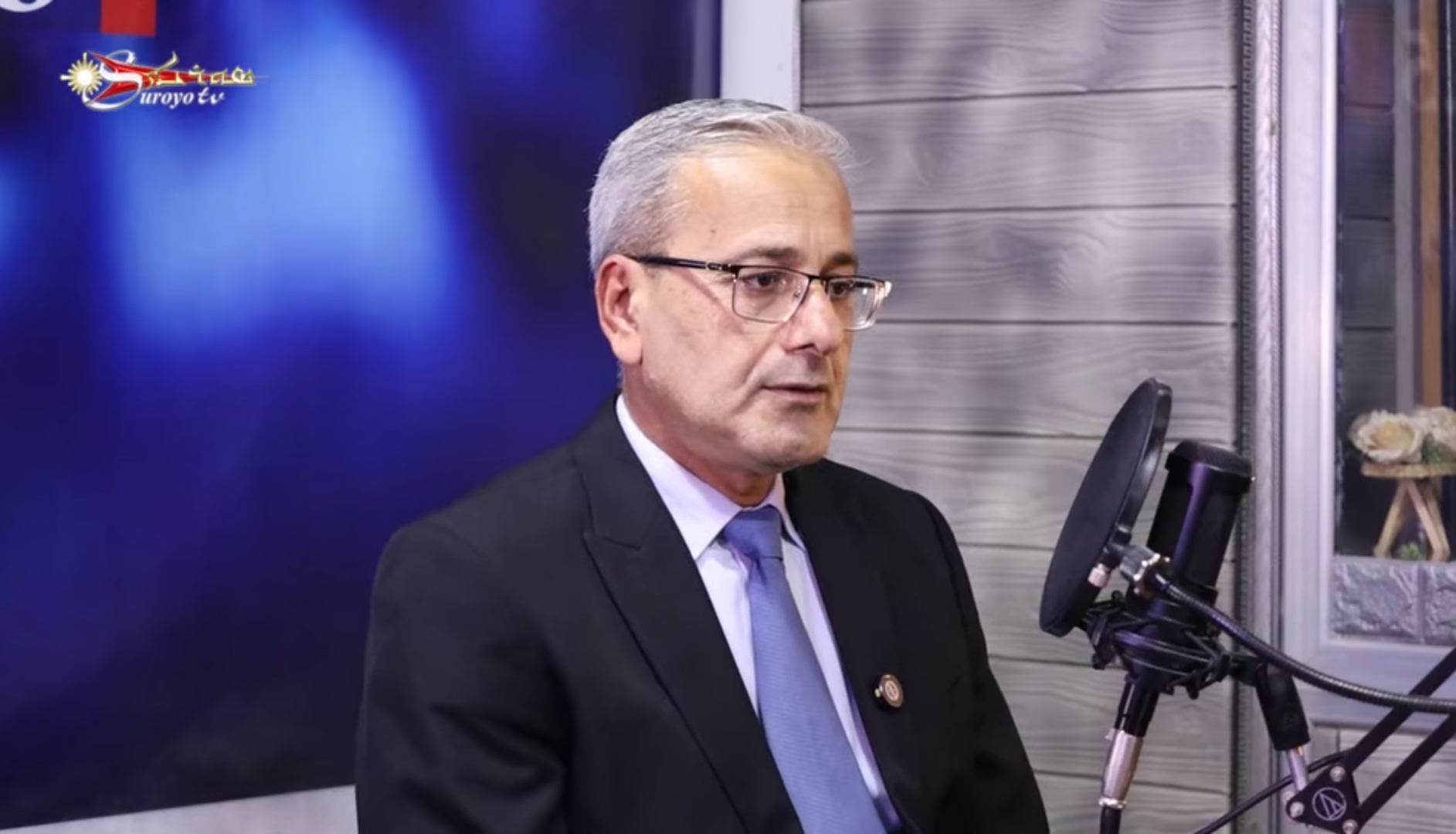
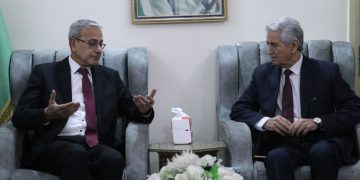
Key points from an interview conducted by Suroyo TV with Sanharib Barsom, co-Chair of the Syriac Union Party: